Game Controller - Embodiment
This week we have the second embodiment assignment, this time for a game controller. When we think of a classic game controller, we often think of a joystick, and in more modern systems we almost always have a gamepad. However, the game controller is certainly not limited to these two options. Over the years, many different input devices have existed for home consoles. As early as the 1980s, the first Nintendo introduced the Light Gun to play Duck Hunt, and in 2006 they introduced the Nintendo Wii, which made use of player movement.
| Home Game Controllers | |
|---|---|
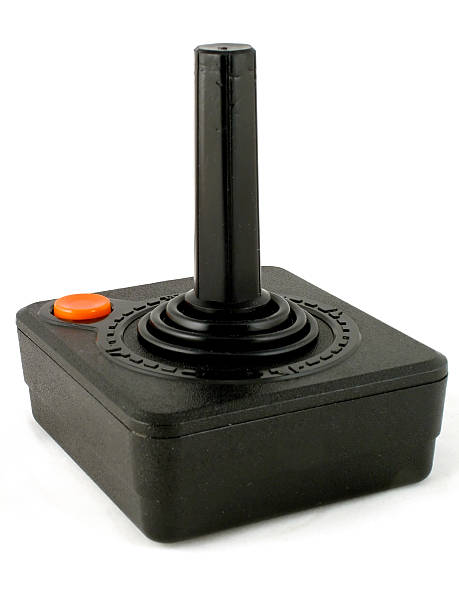 | 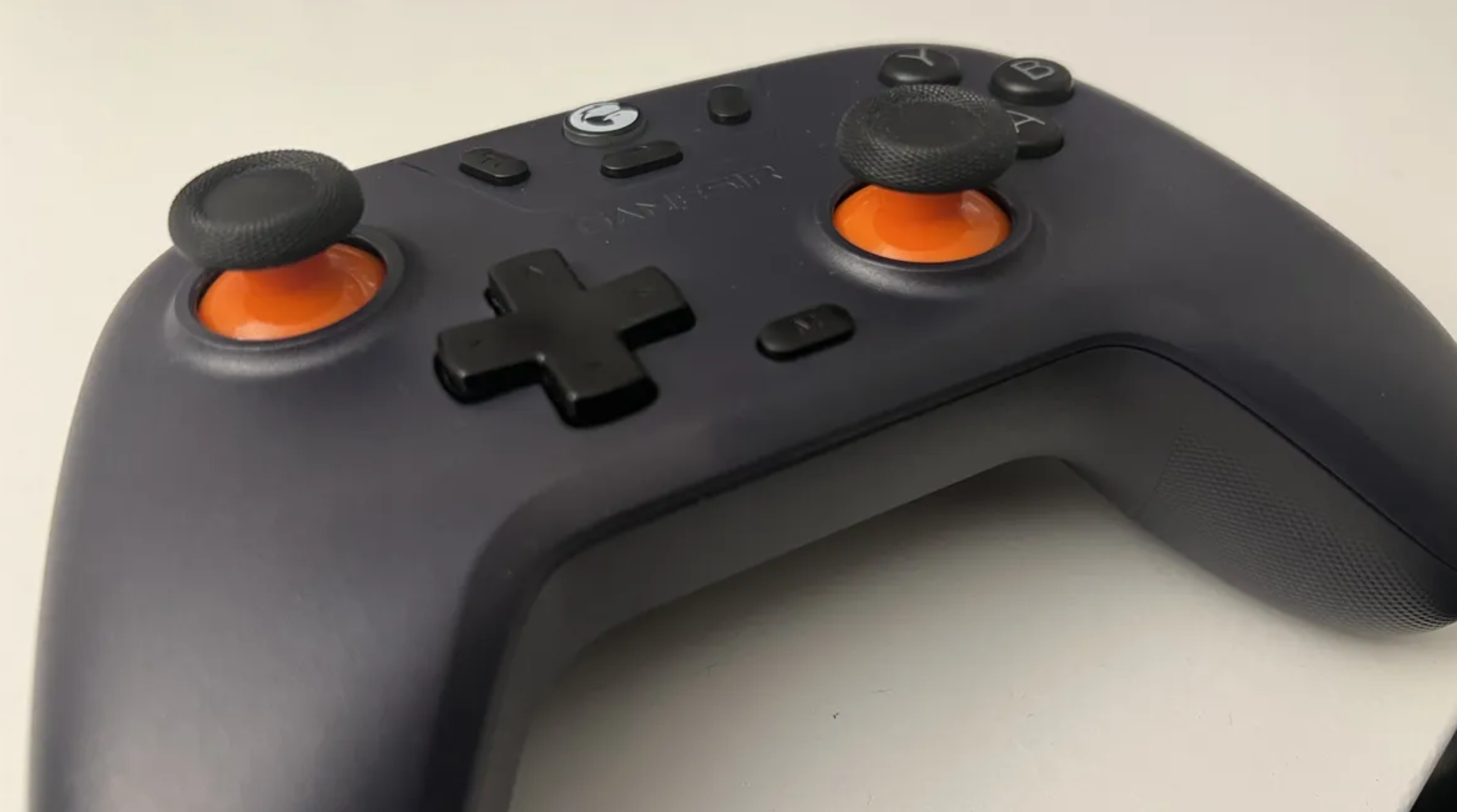 |
| Classic Joystick | Modern Gamepad |
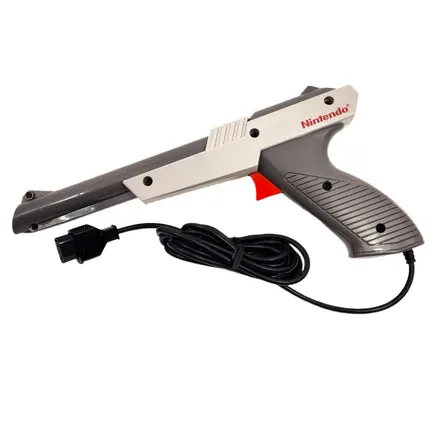 | 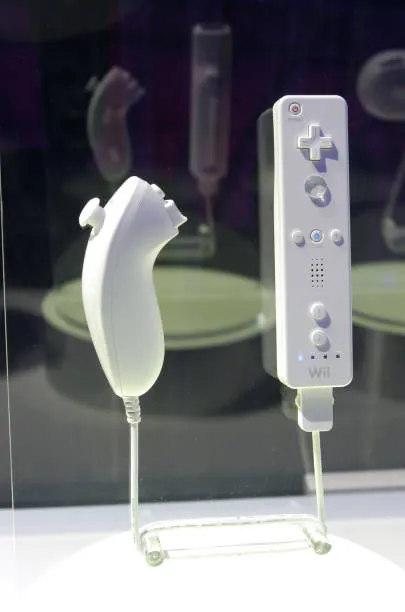 |
| Nintendo Light Gun | Nintendo Wii |
Japan’s Arcades
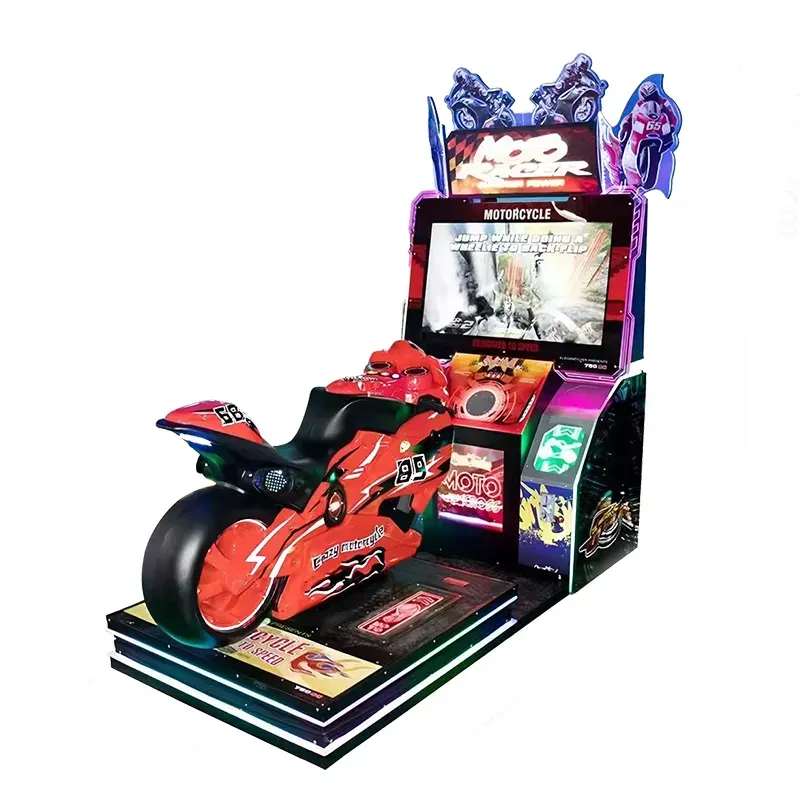
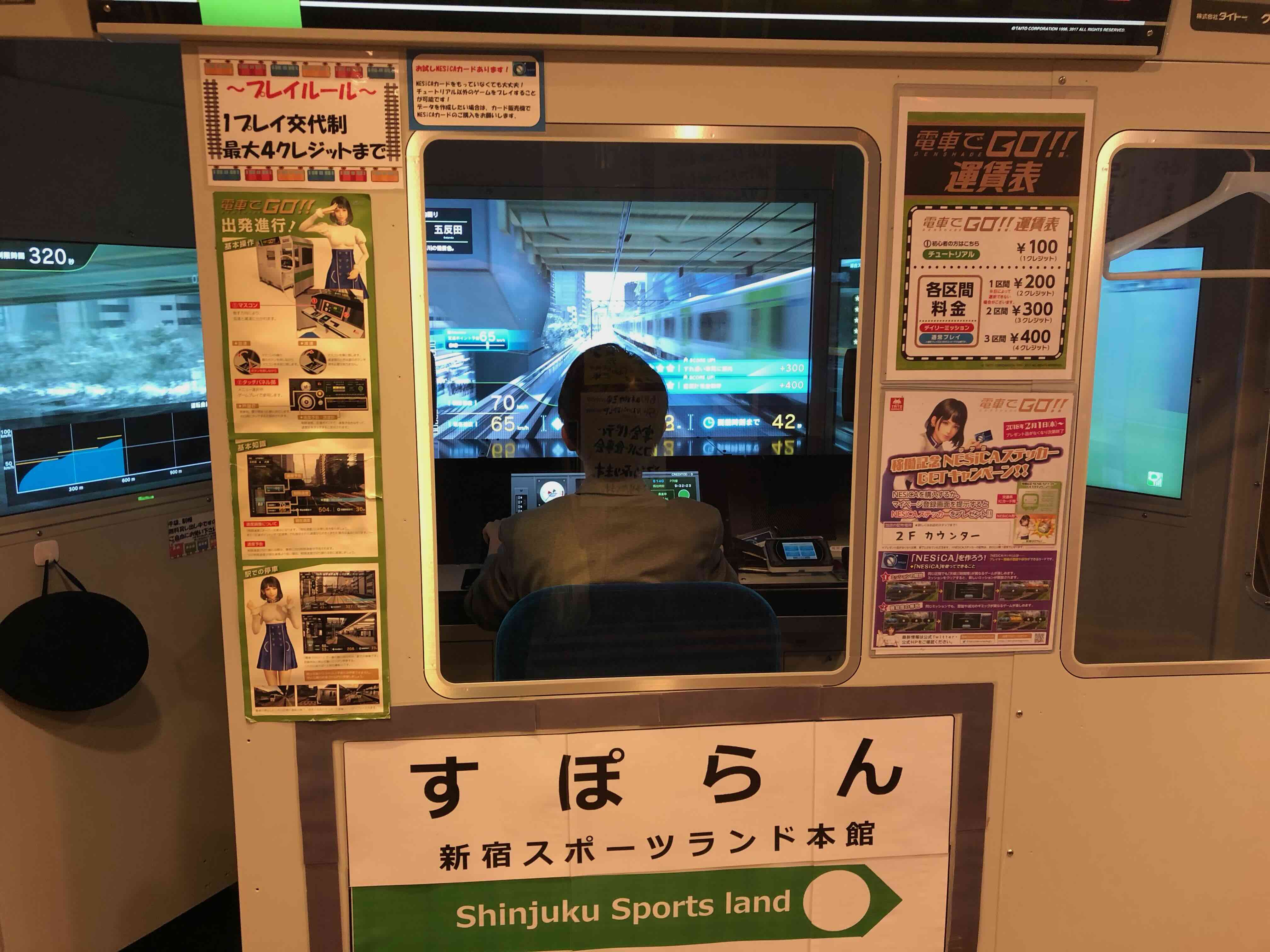
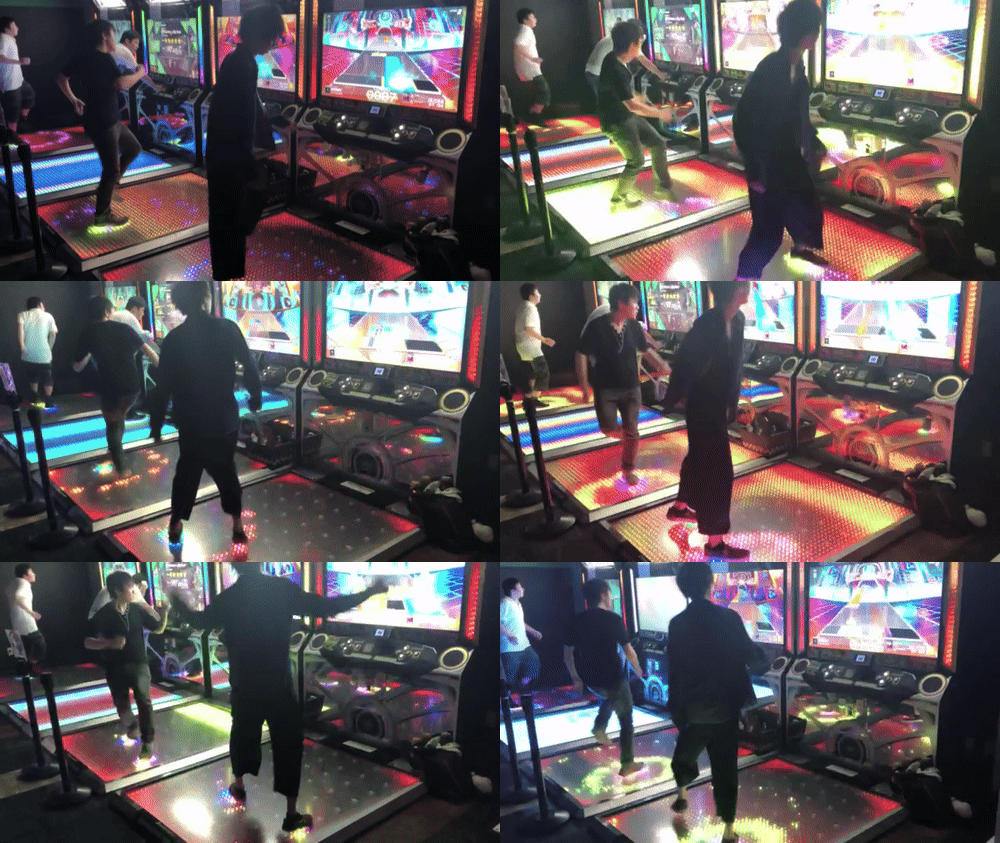
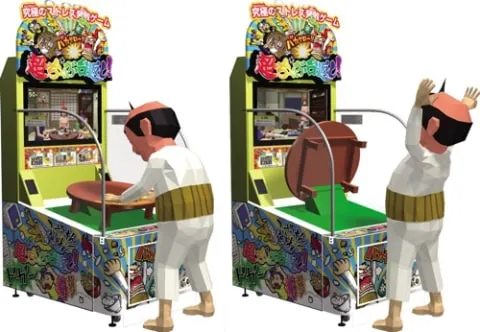
For truly creative alternative inputs, Japan’s arcade halls are a great place to look. There you can find everything from motorcycles you can sit on to full train simulators, dance machines, and the famous Cho Chabudai Gaeshi (Super Dinner Table Flipping), where the game controller is nothing more than a table that you can pound on after which you can flip the whole thing upside down to vent all your frustrations.
| Japan’s Arcades | |
|---|---|
 |  |
| Motor Arcade | Train Operator Simulator |
 |  |
| Dance for a High Score Super Dinner Table Flipping |
Homemade Alternatives
We will keep things a bit more limited, but a simple input interface, if well designed and appropriately matched, can make a game much more enjoyable. For inspiration, you can find some alternative inputs here from the 2014 Alt.Ctrl.GDC event.
| Alt.Ctrl.GDC | |
|---|---|
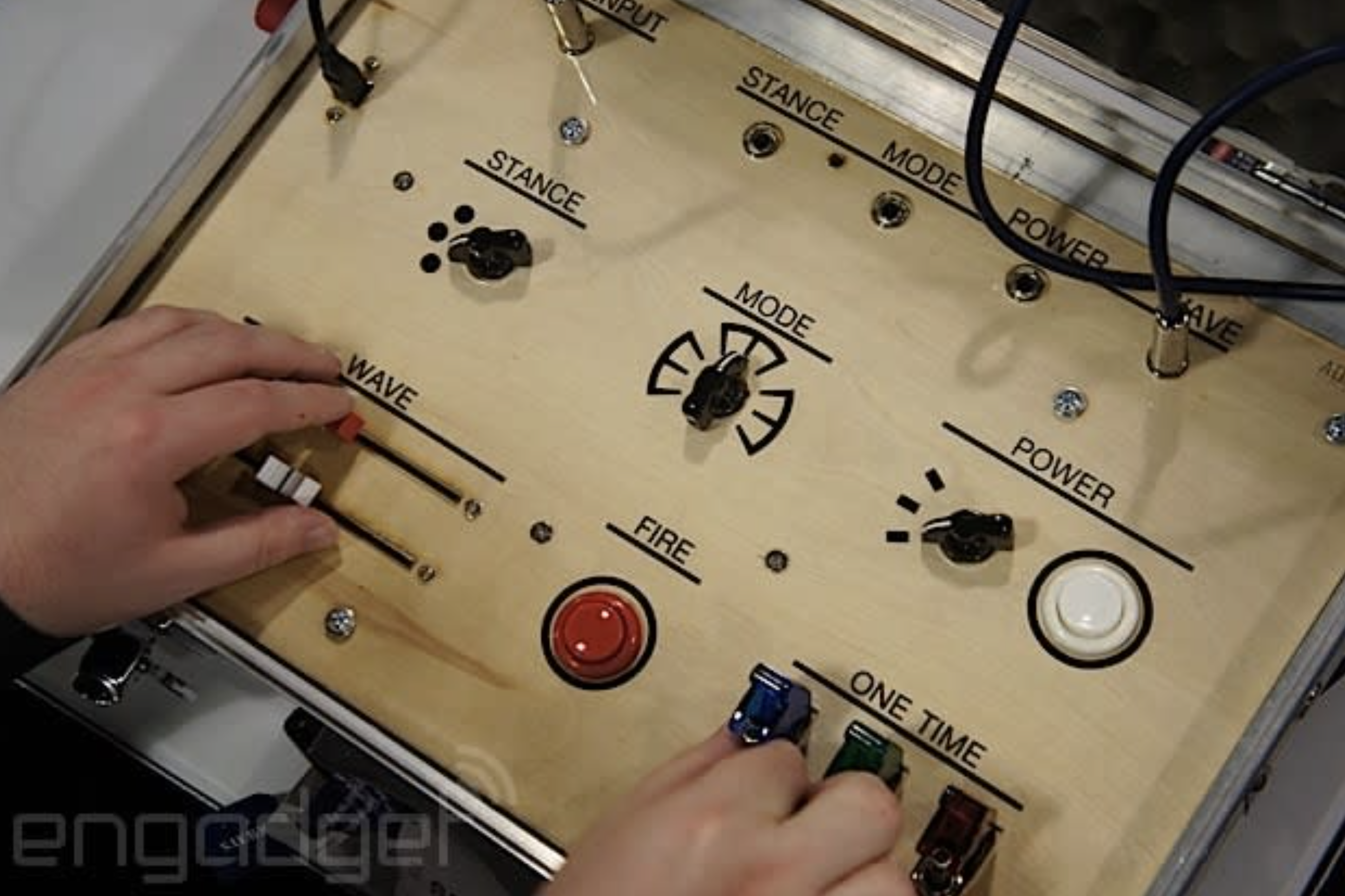 | 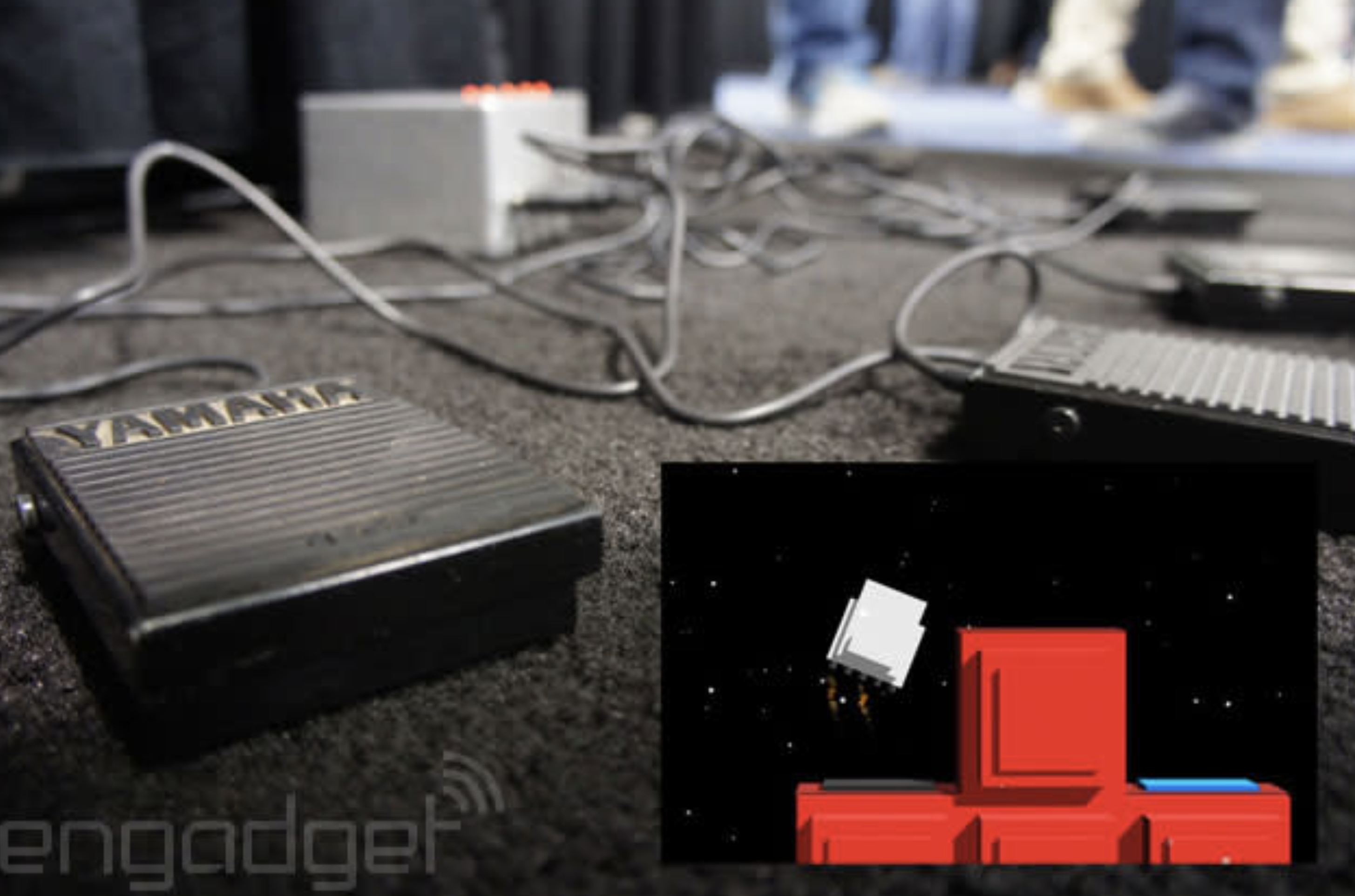 |
| Missile Control Board | Guitar Paddles as Input |
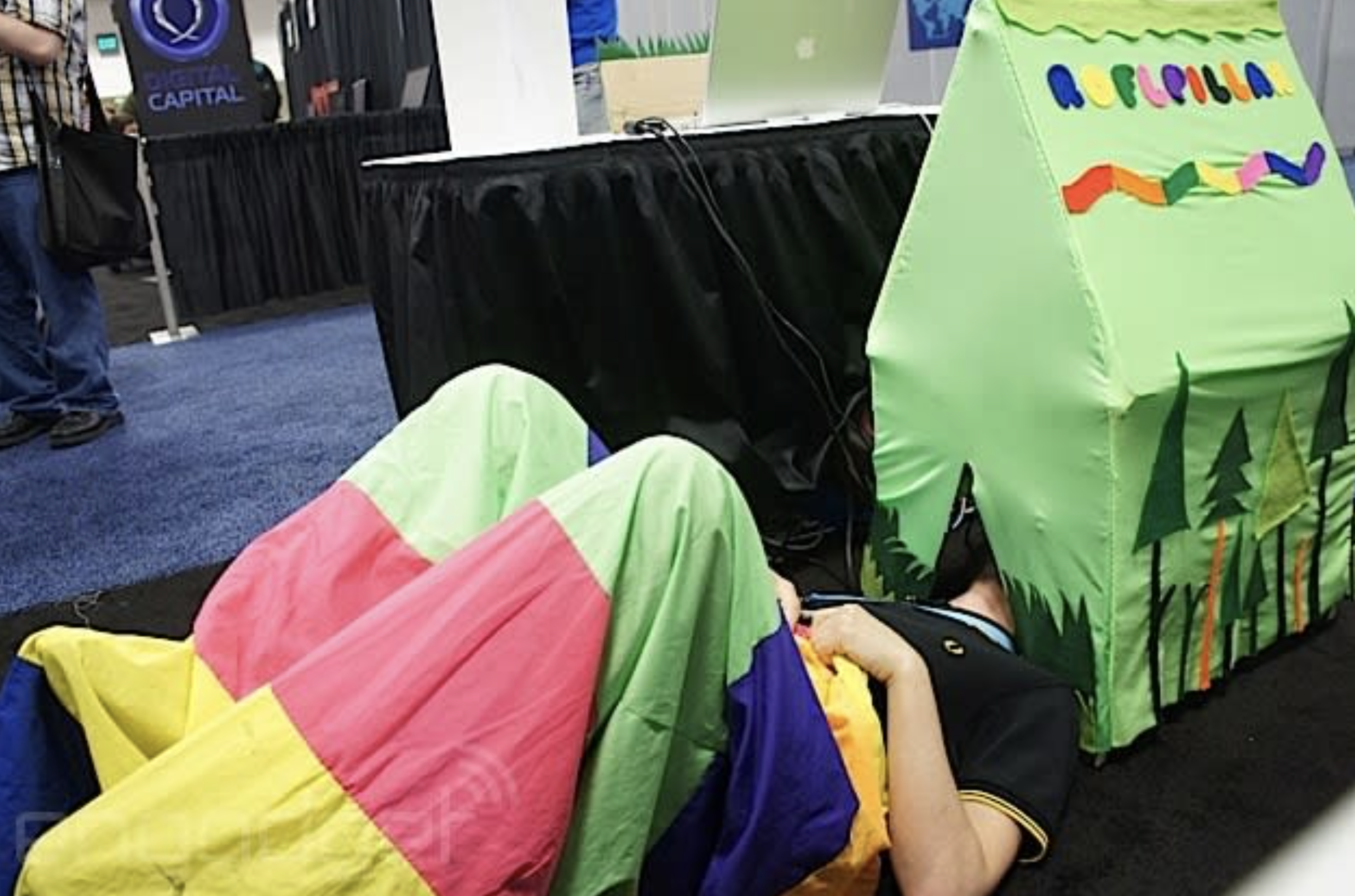 | 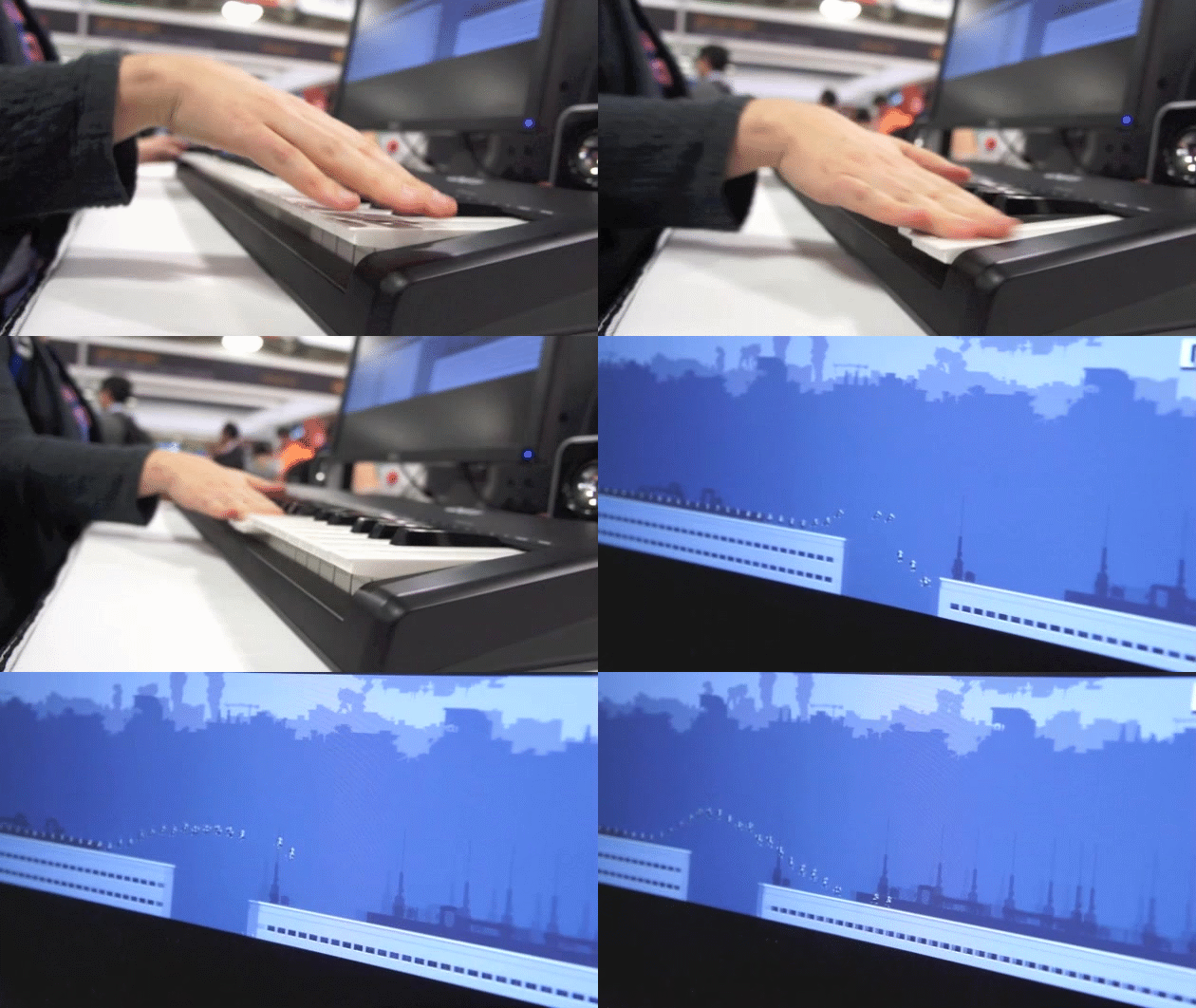 |
| Caterpillar Simulator | Wooosh |
Finally, here are some input devices designed by students during a previous edition of this course.