Walkie-Talkie - Embodiment
In this assignment, the goal is to give the walkie-talkie you built last week a housing. You are free to explore your creativity in terms of form and interaction, as long as the device remains operable. It must be possible to press one button to open the channel and then use the other button to send a message.
What you are making this week can best be described as a hybrid between a pager and a walkie-talkie. Pagers are intended to receive short, often cryptic messages (newer models can also receive text messages), whereas walkie-talkies allow for direct two-way communication. Your design conceptually sits somewhere between these two devices.
| Wireless Communicators | |
|---|---|
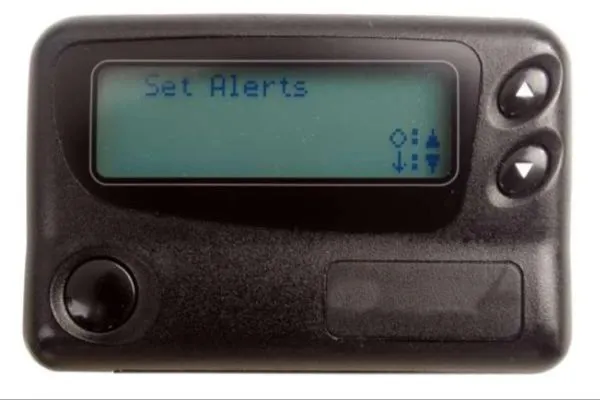 | 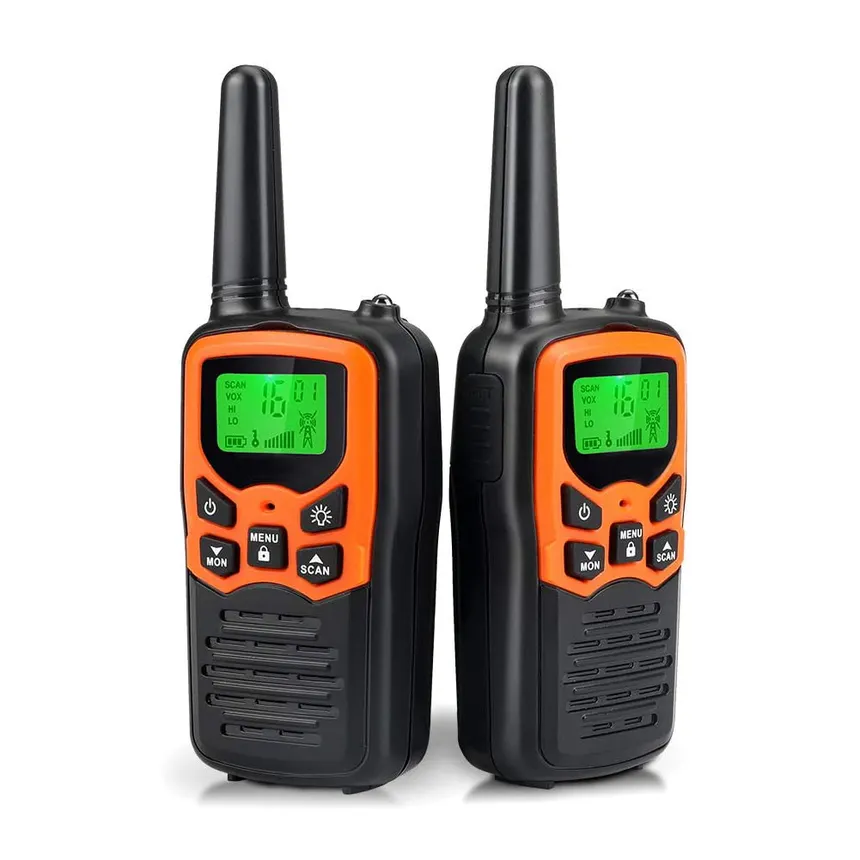 |
| Pager | Walkie-Talkie |
Inspiration
Originally, the walkie-talkie was developed during World War II by Motorola. The earliest devices were clearly designed for military use, both in form and function. After the war, the technology branched into different application domains.
Simplified and inexpensive versions were developed as children’s toys, while more robust and reliable variants were designed for professional use, such as law enforcement and security services. Even today, in the era of smartphones, walkie-talkies are still widely used. For example, hikers and hunters rely on them in remote areas where there is no cellular coverage but where short-range communication remains essential.
Each of these use cases comes with its own distinct design language, as illustrated in the images below. What will be your use case, and how does it define the embodiment of your device?
| Different Types of Walkie-Talkies | |
|---|---|
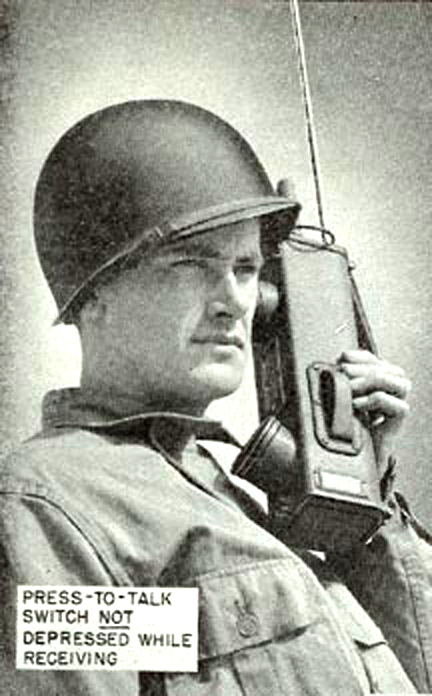 | 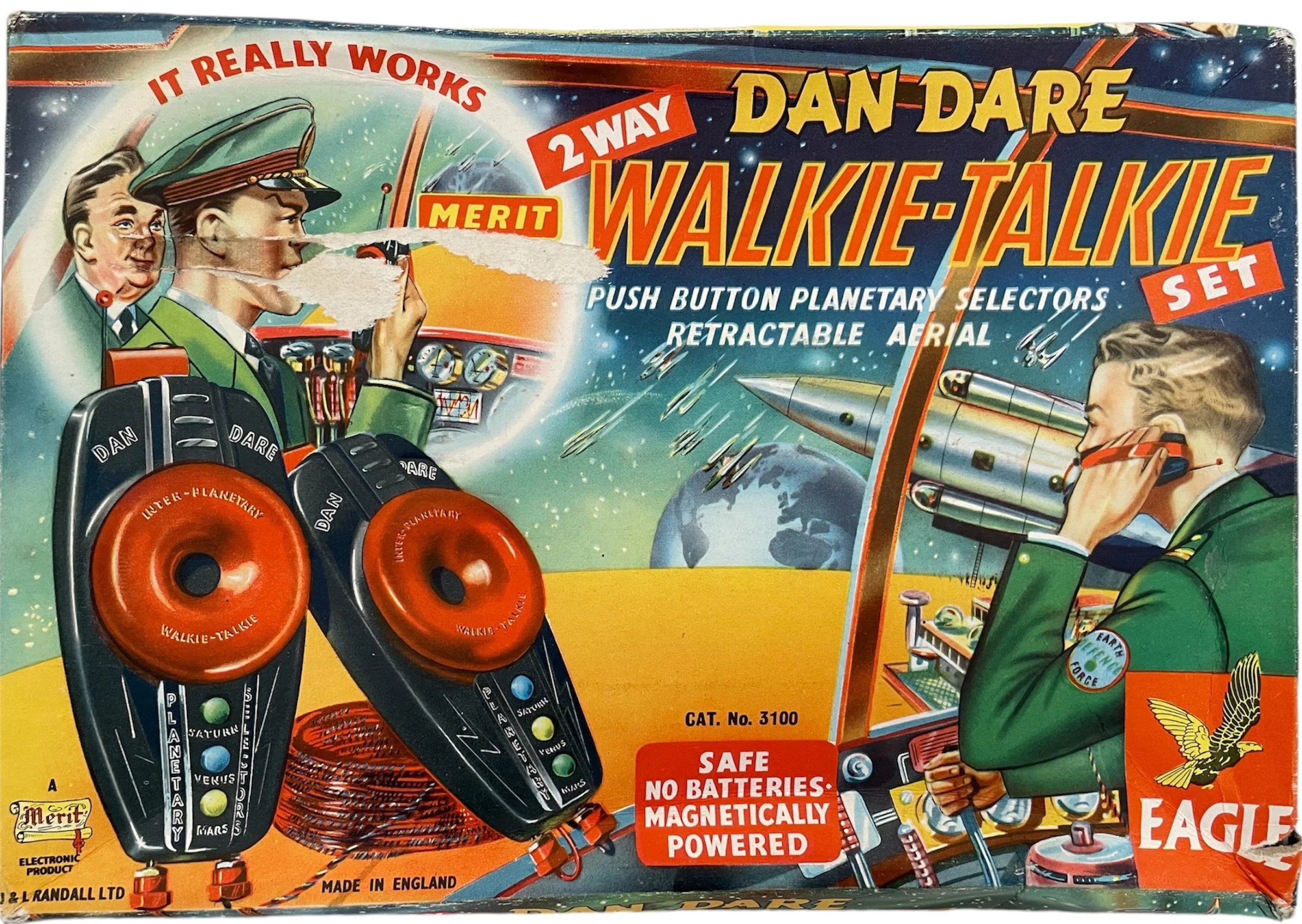 |
| The First Walkie-Talkie | Walkie-Talkies in Space!! |
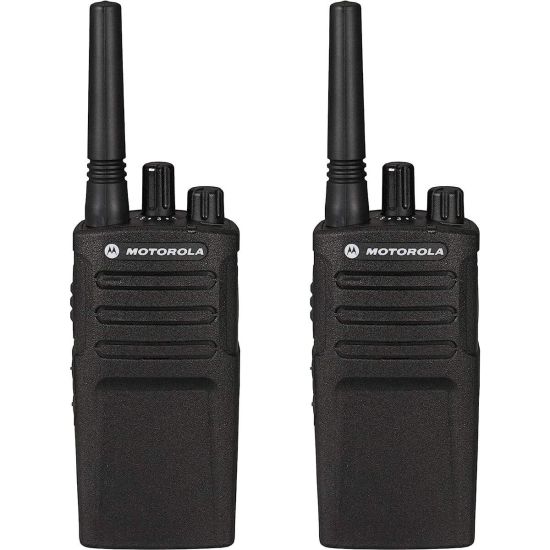 | 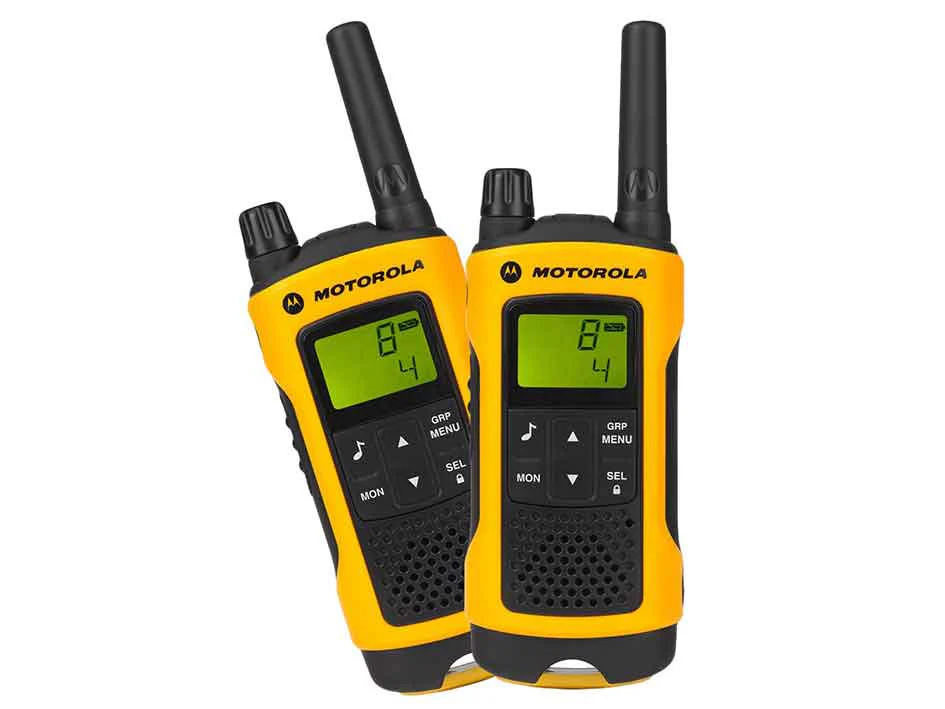 |
| Professional | Outdoorsy |